A Shitty Guide to Dating Simulators
by crispy_bonnie
What is a dating simulator?
A dating simulator is a game that falls under the subgenre of simulation games, one that typically involves romantic elements.Dating simulators come in many forms. The most notable ones being visual novels. Examples of visual novel dating simulators are games such as Doki Doki Literature Club, Dream Daddy, and Hooked on You.
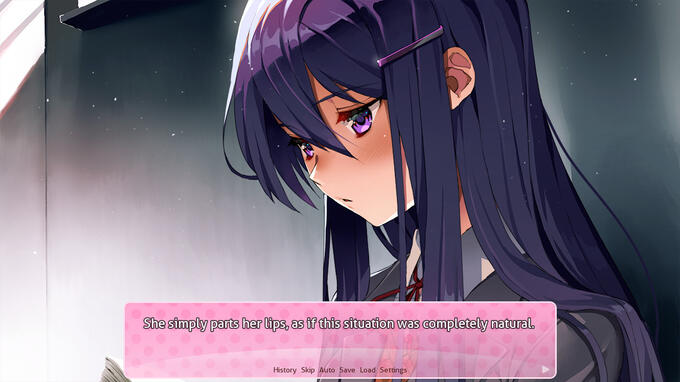
Screenshot of gameplay from 'Doki Doki Literature Club'.
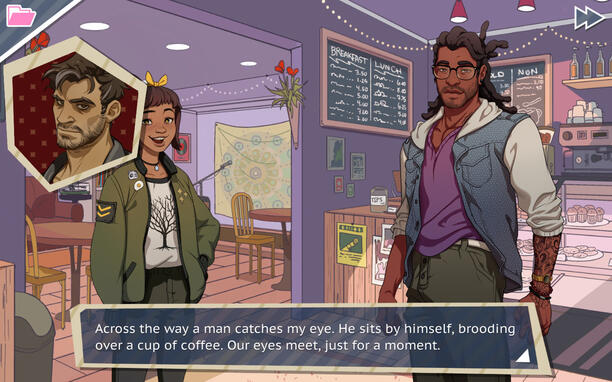
Screenshot of gameplay from 'Dream Daddy'.
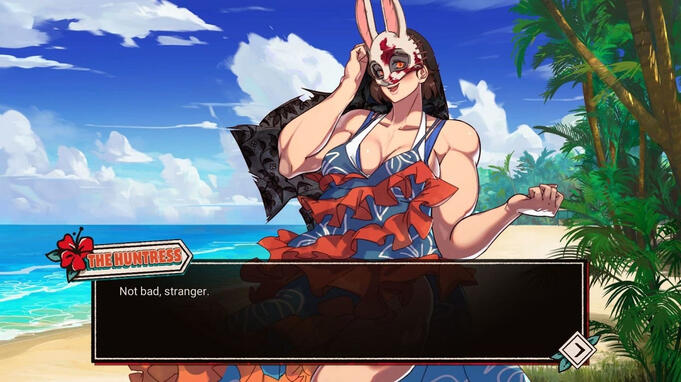
Screenshot of gameplay from 'Hooked on You'.


Dating simulators can also be found in the form of RPGs, First-Person Perspective, and even as linked posts on social media, but the premises of these games are typically the same. Either there's one or more characters that the player has to try to date by the end of the game. Their success dictates their ending, and their choices dictate their success.
How do I make one?
Like any game, dating simulators take a LOT of planning. The process of any sort of project is always 80% planning and 20% execution.This guide shows you the process of planning a dating simulator. I'm not good at helping with execution, as none of my projects ever managed to make it to that phase, at least not with proper planning.Keep in mind that this guide was created by a beginner game developer. I am basing this off of experience and help I have recieved online. DO NOT use this guide as a rulebook or developer bible. I am just making this to help create a general sense of how to make a dating simulator.If you are looking for help or assistance on making a dating simulator, consult the internet! Google is your best friend when it comes down to creating games, and there are many forums out there that are dedicated to helping with making dating simulators.
Choosing the 'style'
Before you start writing up the story, it's important for you to figure out the style you want to make your dating simulator in. Do you want a set path for the player to go down? Or do you want a more open world type of gameplay?Having a set path makes it easier for you to write the story. There's not as many choice trees you have to write, and it's much easier to plan since you don't have to deal with so many different interactions. Doki Doki Literature Club is a good example of a dating simulator with a set path.However, this type of gameplay can become boring or unsatisfactory for the player, as it limits their choices and forces them down paths that they may not even want to go down. This is especially not ideal for games with multiple datable characters.Having a more open-world kind of game opens up a whole new can of worms, with many dialogue trees and little details you have to deal with.Dating simulators like these give the player not only choices on the dating aspect, but also choices they make within their life in the game. With this style, you can incorporate many different things, examples being a gift-giving system, virtual currency, and even mini-dates throughout the game.This style is MUCH more complex and requires way more planning compared to the set path, but it gives the player a sense of control and freedom. It will keep the player going and makes it so that the player can choose how to allocate their in-game time.
Setting the scene
When you're writing the story, make sure to think about the overarching plot first. Think about where and when the game will take place, how the player meets the characters, and so on.The overarching plot is very important to the dating simulator as a whole, as it guides you while you're working on smaller details such as backgrounds, character interactions, and choices the player can make.When planning, I find it much easier to plan the overarching story, then break it down and plan important chunks as I go.Let's say I'm making a dating simulator that takes place in 1899. I would need to make sure that the characters I write in can adapt to this enviornment and society that the timeline is in. I can't give the player a phone [unless it's a time travel type situation] and none of the characters would know what many of our modern day terms are.With that in mind, I would think about how the player interacts with this world, what role they have in it. Let's say the player is a bartender, and they meet the character[s] while working a shift at the bar. This is a good starting point for creating your simulator.
Flowcharts
Now that you've set the scene for your game, it's time to go more in depth for the story.Whether you have one character or ten, you need to write the routes and choices the player can make to get the character[s] to fall in love with them. I recommend you use flowcharts for planning these routes out, as it gives a visual of the different choices the player can make and how it will affect the story.
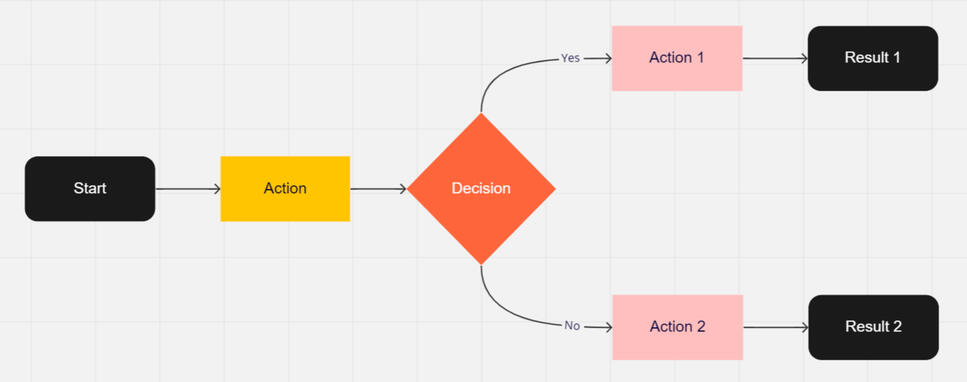
Example of a flowchart

Flowcharts are often color and shape coded. You can search up the different shapes used in flowcharts. Whether or not you use these colors and shapes is up to you.While you're creating your flowchart, I highly recommend you keep it neat and clean. Your concept can be messy, but you should most definitely organize your flowchart once you're finished. Don't be like me with my first flowchart.
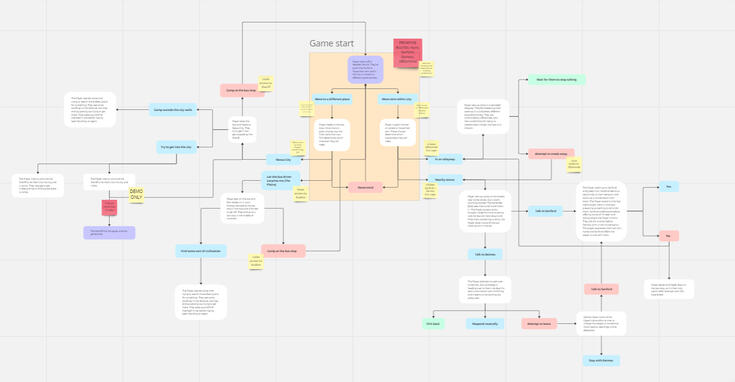
Screenshot of my old flowchart for a dating simulator

I'm not good with explaining things, so I recommend consulting a game dev's best friend for this, Google and game dev forums!
GUI and game functions
Once you have your story and routes finalized, it's time to start thinking about the game itself. What functions will be in your game? Will it have minigames? What will the menus and textboxes look like?When you're thinking about your GUI, think about something that would match up with the setting of your story or overall feeling that you want to convey through your game. You could use sleek and boxed text boxes to convey a modern-setting dating sim, or you could use pink text boxes decorated with hearts to really sell the romance aspect of your game. It all depends on the theme you want to set.Now thinking about game functions, how will your dating simulator work? Is it an interactive point-and-click game? An RPG? Establishing how your game will work will help set the path for coding and making assets for your game. Make sure that once you're set on a game style, STICK TO THAT GAME STYLE! If you change your mind halfway through the execution phase, it'll be a pain to have to restart all the asset making and programming.

Screenshot from the game Sucker for Love: First Date

Screenshot of gameplay from the fangame Five Nights of Flirting


End note
And that's it! I would add more but carrd won't let me add as many elements as I want [apparently I reached the 50 element threshold], so if you want me to make a part two to this or something like that, you can reach me at crispy-bonnie on Tumblr! Just hop into my DMs or my inbox if you want more.Hopefully you all enjoyed this shitty ass guide! Remember, if you have any questions or get lost, there's plenty of forums that can help with this MUCH better than I can!